
Renovating an older Edmonton bungalow: what to check first
Before renovating an older home in Edmonton, check five things first: the foundation and how water moves around the house, the electrical and plumbing systems, materials that may contain asbestos or lead, radon levels in the lowest lived-in level, and which walls are holding the house up. These decide what a renovation will cost and what order the work must happen in, and they are far cheaper to learn about before demolition than during it. Many bungalows in Edmonton's mature neighbourhoods have simple footprints and full basements, which makes them practical candidates for renovation. They are also old enough that what is behind the walls deserves a careful look. Here is what to check, and why.
1. Foundation, grading and water
Water is the first thing to rule out. Walk around the outside and the basement and look for:
- Soil sloping toward the house rather than away from it, and downspouts that empty against the foundation.
- Cracks in basement walls or floors, especially ones that are wide, stepped or growing.
- Efflorescence (white mineral deposits), staining, musty smells or damp drywall near the floor.
- Window wells that collect water or sit below grade.
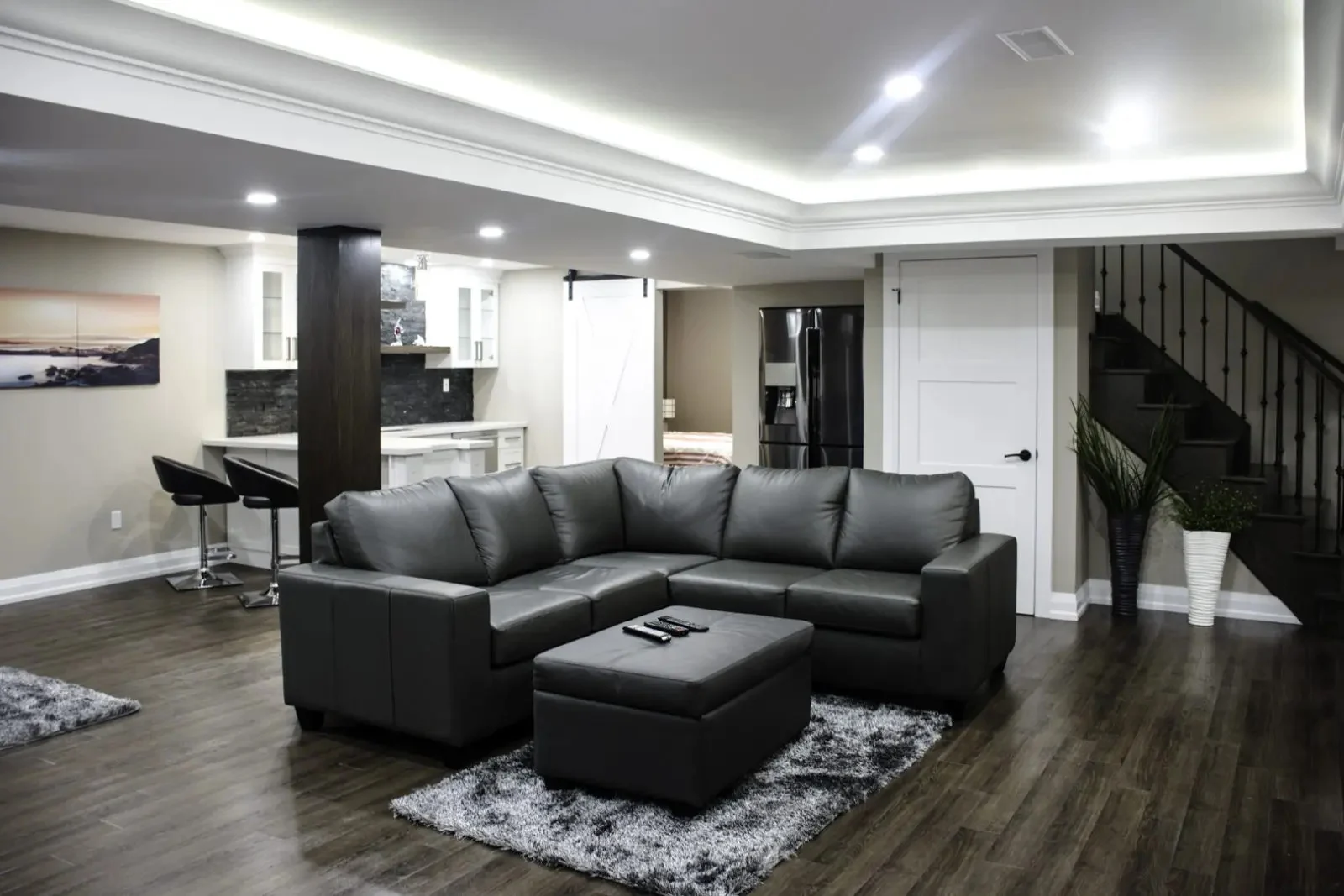
None of this rules out a renovation, but it changes the order of work. Drainage and foundation repairs come before any finished space, especially before developing the basement, which in a bungalow is often half the house's floor area.
2. Electrical and plumbing
Older systems were designed for a different way of living. Check the size and condition of the electrical panel, whether there is room for new circuits, and what kind of wiring is in the walls. A modern kitchen, in-floor heat, a home office and an electric vehicle charger can quickly exceed what an original panel can supply. In plumbing, look for mixed materials from past repairs, low water pressure, slow drains and the condition of the main sewer line.
Planning these upgrades early avoids paying to open the same walls twice. A kitchen renovation or bathroom renovation is often the natural moment to replace supply lines and drains and add circuits.
3. Asbestos, vermiculite and lead paint
Older houses can contain materials that are harmless when left alone but hazardous when cut, sanded or demolished. Health Canada's page on asbestos and your health notes that before 1990, asbestos was mainly used for insulating buildings and homes, and lists places it may be found, including vermiculite insulation, floor and ceiling tiles, plaster, drywall, siding, roofing products and insulation around hot water pipes and tanks. Its advice is to avoid disturbing materials that may contain asbestos and to hire a professional to test for asbestos before renovating. If you have vermiculite insulation in the attic, Health Canada advises leaving it alone rather than removing it yourself.
Lead is the other common concern. Health Canada's guidance on lead-based paint says a home probably contains lead-based paint if it was built before 1960, and that homes built from 1960 to 1990 may have lead in exterior paint. It warns against using sanders or heat guns on lead paint and recommends keeping children and pregnant women away from the work area.
In practice, this means testing suspect materials before demolition, building the results into the schedule and budget, and using qualified abatement specialists where they are needed.
4. Radon
Radon is a radioactive gas that can enter homes from the ground, and the only way to know your level is to test. Health Canada's radon test instructions call for a long-term test of at least 3 months, placed on the lowest lived-in level of the home, such as a finished basement or bedroom. If the result is at or above 200 Bq/m³, Health Canada recommends taking action to reduce it within one year and suggests a C-NRPP certified radon mitigation professional.
The timing matters for renovations. If you plan to develop the basement, test before you finish it. Mitigation work, such as sealing and a sub-slab depressurization system, is much simpler to install while the basement is still open.
5. Structure and layout
Most people renovating a bungalow want a more open main floor. Whether that is straightforward depends on which walls are load-bearing and how the roof and floor are framed. Removing a bearing wall is common, but it means a beam, sometimes posts down to new footings in the basement, engineering, and a permit. The City of Edmonton lists structural changes, new or resized windows and exterior doors, and building or finishing a bedroom, bathroom or living space among the work that needs a permit.
This is also where design pays off. Our interior design and space planning work tests layouts against the structure before anything is removed, so the plan you approve is one that can be built.
6. Insulation, windows and winter comfort
Many older bungalows have less insulation than a newer house, especially in the attic and basement walls, and windows that have been replaced piecemeal. Look for cold rooms, frost on the inside of windows and ice along the roof edge. When walls and ceilings are already open for a renovation, it is the right time to improve insulation and air sealing. Remember that tightening an older house also changes how it breathes, so ventilation should be planned with it.
What to do in what order
Assess the whole house. Walk through with a builder before you settle on a scope.
Test. Start a radon test and have suspect materials tested for asbestos and lead.
Fix water and structure first. Grading, drainage and foundation repairs come before finishes.
Plan systems for the finished house. Size electrical, plumbing and heating for how you will use the home after the renovation.
Then design the rooms. Kitchens, bathrooms and the basement are planned together, even if they are built in stages.
If the assessment turns up major structural or foundation problems, it may be worth comparing a renovation with a new build. Our guide on whether to renovate, rebuild or build an infill explains how to weigh it.
Frequently asked questions
Is it worth renovating an older bungalow in Edmonton?
Often, yes. Bungalows usually have simple footprints and full basements, which make layout changes and basement development practical. The answer depends on the condition of the foundation, structure and systems, which is why an assessment comes first.
Should I test for asbestos before renovating?
Yes, if the house is older. Health Canada recommends hiring a professional to test for asbestos before renovating or remodelling, and using a qualified removal specialist if it is found.
When should I test for radon?
Before you finish the basement, so any mitigation can be installed while it is open. Health Canada recommends a test of at least 3 months on the lowest lived-in level.
Can I live in my bungalow during the renovation?
It depends on the scope. Many families stay for a basement or single-room project, but a main-floor renovation affecting the kitchen and bathroom is harder to live through. Our homeowner's survival guide covers how to plan for it.
Begin with an assessment
Solenne is a family-led renovation and custom build company in west Edmonton. Our founder and lead builder, Courtney Parr, has more than 20 years of construction experience. We take on everything from single rooms to full home renovations across Edmonton and nearby communities such as St. Albert. Our article on what no one tells you about renovations is a good companion read. When you are ready, book a consultation and we will walk through your house with you.