
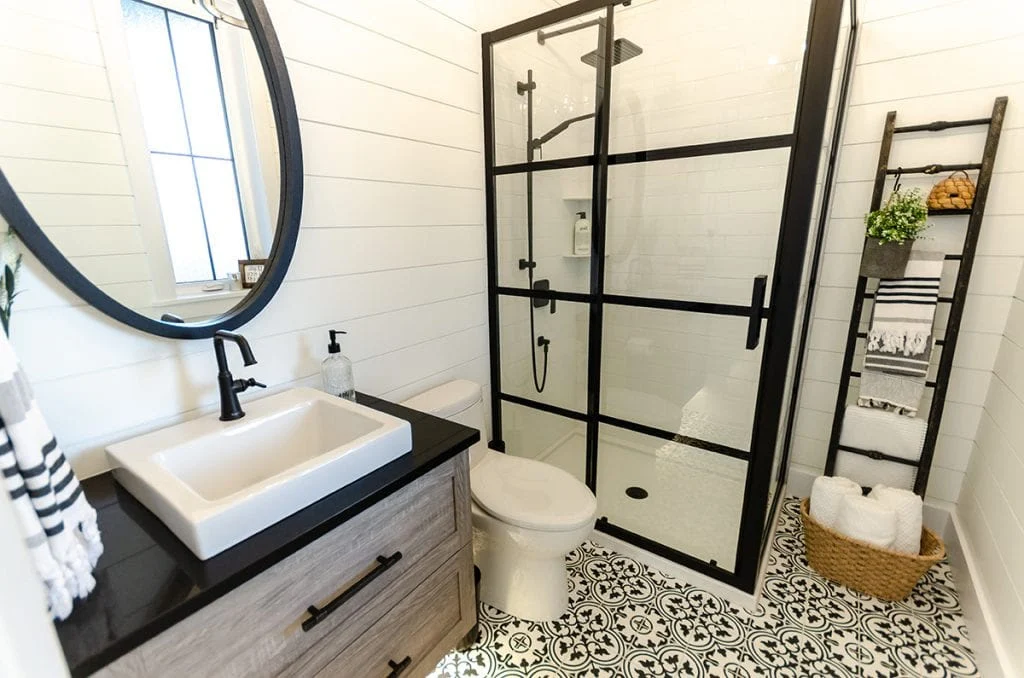
Small renovation upgrades that make a big impact
Not every home needs a full renovation to feel new. If the layout works and the plumbing, wiring and envelope are sound, a handful of targeted upgrades (paint, lighting, hardware and fixtures, flooring, storage and a few kitchen and bathroom surfaces) can change how a home looks and feels for a fraction of the cost of a rebuild. The trick is choosing the upgrades that change the most for the least, and doing them in an order that will not need to be undone later. Here is where small renovation budgets go furthest in homes across Edmonton.
1. Paint: walls, ceilings and trim
Paint is the most cost-effective change you can make to a room, and the one most often done halfway. A few points make the difference:
- Do the ceilings and trim too. Fresh white ceilings and crisp trim make walls look newer than wall paint alone.
- Test colours in your own light. North-facing rooms and short winter days make cool greys look colder. Warm whites and soft neutrals tend to hold up better through an Edmonton winter. Our interior design and colour consultation service can help you choose a palette that works across the whole floor.
- Use colour where it counts. A deeper colour on one wall, a built-in or an interior door adds character without committing the whole room.
- Repair before painting. Filling cracks and nail pops, and fixing water stains at their source, is what makes paint look professional. In older homes, take care before sanding: Health Canada's renovation safety guidance notes that homes built before 1991 may have lead-based paint, which should not be sanded, scraped or burned off.
2. Lighting: the upgrade most homes need
Many homes rely on a single ceiling fixture per room. Adding layers of light changes how a space feels more than almost any finish.
- Layer it. Combine general light, task light (under-cabinet, over the vanity, at a reading chair) and accent light.
- Add dimmers. They let one set of fixtures work for bright mornings and quiet evenings.
- Replace dated fixtures in the places people see first: the entry, over the dining table and over the kitchen island.
- Choose a consistent colour temperature throughout a space, so rooms do not look mismatched.
With long winter evenings, lighting matters more in Edmonton than in most places. Any new circuits or relocated fixtures should be done by a licensed electrician, and electrical work generally needs a permit. For current ideas on fixtures and finishes, see our roundup of Edmonton renovation trends for 2026.
3. Hardware and fixtures
Cabinet pulls, door handles, faucets and towel bars are touched every day, so they shape how a home feels in use.
- Pick one or two finishes and use them consistently through a room or floor.
- Choose solid, well-made pieces. A heavy pull or a smooth faucet feels better for years.
- Replacing a kitchen or bathroom faucet is a good moment to fix slow leaks and replace old supply lines.
4. Flooring
Floors cover the largest surface in the house, so they change a room quickly. Depending on what you have:
- Refinish hardwood that is worn but solid, rather than replacing it.
- Consider luxury vinyl plank in basements, entries and other areas that see water, salt and grit from winter boots.
- Run one floor through connected spaces where you can. Fewer transitions make a main floor feel larger.
Flooring replacement is generally cosmetic work that does not need a permit, according to the City of Edmonton, but plan it after any work that involves walls, cabinets or plumbing so the new floor is not damaged.
5. Storage that fits your life
Clutter makes rooms feel smaller than they are. Storage designed for what you actually own fixes that without adding square footage.
- A built-in bench, hooks and cubbies at the back door for boots, coats and bags.
- Closet organisers that replace a single rod and shelf.
- Built-in shelving around a window, fireplace or under the stairs.
- Pull-outs and drawer inserts in existing kitchen cabinets.
Our custom features work covers built-ins, mudroom storage and other details that make a home work harder. The mudroom in our Windermere ensuite, walk-in closet and mudroom project is one example.
6. Targeted kitchen and bathroom updates
Kitchens and bathrooms are the most expensive rooms to renovate fully, but some of their biggest visual changes are relatively contained:
- Backsplash. New tile behind the counter changes the whole kitchen.
- Countertops. If the cabinet boxes are in good condition, new counters and a new sink can make a kitchen feel renovated.
- Cabinet refinishing or new doors. Painting or replacing doors and drawer fronts keeps sound boxes in place.
- Vanity, mirror and lighting. In a bathroom, these three items set the impression of the room.
- Bathroom fan. Not glamorous, but replacing a noisy, weak fan protects every other upgrade from moisture. Our post on what makes a bathroom renovation worth it explains why.
For a sense of scale, HomeStars' Canadian renovation cost guide places a basic kitchen update with new cabinets, counters and appliances at around $15,000 to $30,000, and a standard bathroom refresh at around $8,000 to $15,000. Targeted updates like the ones above typically sit below a full refresh, depending on what you choose.
When small upgrades are not enough
Small upgrades work when the bones of the room are good. They are not the right answer if there is water damage, a layout that does not work, an electrical panel at capacity, or plumbing that keeps failing. In those cases, cosmetic work only hides the problem, and it will likely be torn out later. Our post on the signs it is time to renovate can help you tell the difference, and a kitchen renovation or bathroom renovation may be the better investment. If the problems run through the house, a whole-home renovation planned once is usually cheaper than a series of patches, and an unfinished basement is often better served by a proper basement development.
Do them in the right order
Fix anything involving water, electrical safety or structure.
Do work that involves walls and ceilings: new lighting locations, built-ins, backsplash.
Paint.
Install flooring.
Finish with hardware, fixtures and accessories.
Planning the order now also makes later work easier. Our post on future-proof renovation ideas covers what to build in while walls are open.
Frequently asked questions
Which small upgrade makes the biggest difference?
In most homes, paint and lighting together. They affect every surface you see and how the room feels at every time of day.
Do small renovations need permits in Edmonton?
Painting, flooring and installing kitchen cabinets generally do not. New electrical circuits, moved plumbing, structural changes and new or resized windows do. When in doubt, check before work starts.
Is it worth doing small upgrades before selling?
Often, yes. Fresh paint, updated lighting and repaired details help a home present well. A large renovation right before a sale is a bigger financial decision, so get advice on what buyers in your area expect first.
Plan a few changes that matter
If you want your home to feel new without a full renovation, book a consultation. Our family-led team will look at what will change the most for your budget, and tell you honestly if a larger project would serve you better.